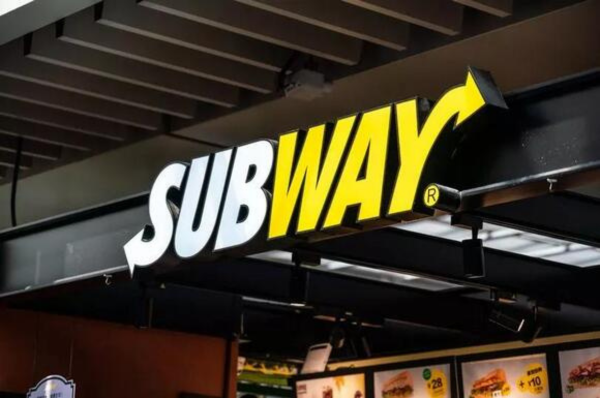
Subway, once the dominant force in the U.S. fast-food landscape, is undergoing a significant transformation. In 2024 alone, the chain closed over 600 U.S. locations, bringing its total to 19,502 stores—the first time in two decades that its domestic footprint has dipped below 20,000. This marks a steep decline from its 2015 peak of 27,000 stores.
What's Driving Subway's Decline?
1. Shifting Consumer Preferences
Modern diners are increasingly seeking diverse, health-conscious, and customizable meal options. Subway’s traditional focus on bread-heavy sandwiches has struggled to keep pace with competitors offering varied and contemporary menus
2. Franchisee Challenges and Operational Costs
Many franchisees have faced rising operational costs and slim profit margins, making it difficult to sustain their businesses. Complaints about high fees, lack of corporate support, and the burden of maintaining aging stores have been prevalent.
3. Intense Market Competition
The fast-casual dining sector has seen a surge of innovative competitors like Jersey Mike’s, Jimmy John’s, and Firehouse Subs. These brands offer fresher ingredients, modern store designs, and efficient service, appealing to a younger demographic and eroding Subway’s market share.
4. Brand Image and Legal Troubles
Subway’s reputation has been marred by several controversies, including the 2015 conviction of its former spokesperson Jared Fogle and lawsuits challenging the authenticity of its ingredients. Although some legal challenges have been dismissed, the negative publicity has impacted consumer trust.
5. Overexpansion and Store Saturation
Subway’s aggressive expansion strategy led to store saturation, with locations often situated within close proximity to each other. This cannibalized sales and strained franchisee relationships, contributing to widespread closures.
Subway's Strategic Response
In response to these challenges, Subway is implementing several strategies: • International Expansion: The brand is focusing on growth in international markets, with plans to add thousands of new locations abroad. • Store Modernization: Through initiatives like “Fresh Forward 2.0,” Subway is redesigning stores to offer a more contemporary dining experience, incorporating updated décor and technology. • Menu Innovation: Efforts are underway to diversify the menu with new offerings, aiming to meet evolving consumer tastes and dietary preferences. • Franchisee Support: Subway is reevaluating its franchise model to provide better support and flexibility to franchise owners, addressing longstanding concerns.
Looking Ahead
Subway’s recent closures and strategic shifts reflect the broader challenges facing legacy fast-food brands in a rapidly evolving market. While the company remains a significant player in the industry, its future success will depend on its ability to adapt to changing consumer preferences, support its franchisees, and differentiate itself in a crowded marketplace. As Subway navigates this period of transformation, its experiences offer valuable insights into the importance of innovation, adaptability, and stakeholder engagement in sustaining long-term success in the fast-food sector.